

Would you like to have your watchlist on all your devices? Log in or register for free.
Foiling yachts explained: How boats ‘fly’

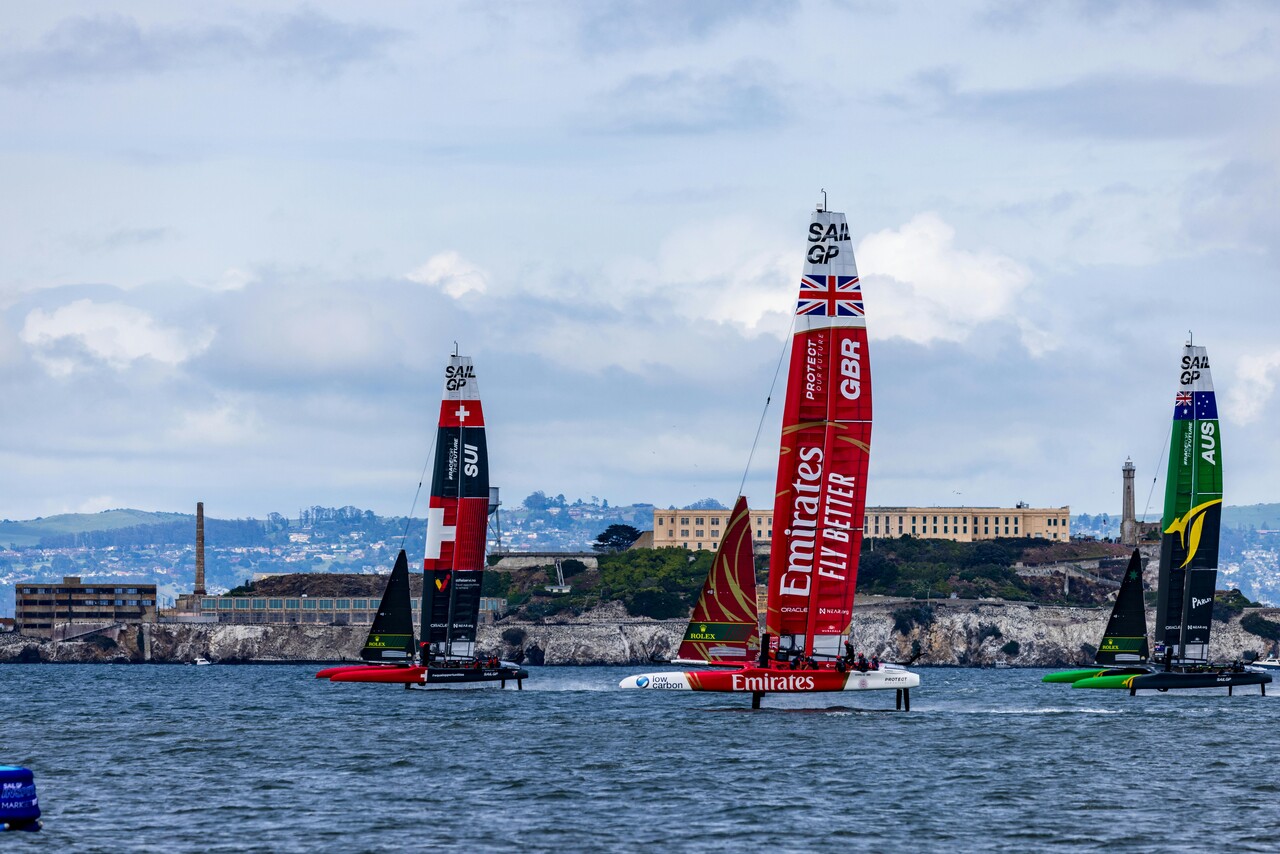
Foiling yachts are among the most fascinating developments in modern yacht building. At sufficient speed, they lift out of the water and thus appear almost to be floating. This principle is based on wings beneath the hull, known as hydrofoils. The idea behind them has been around since the early 20th century, but it was only made feasible by modern materials.
How does the technology work?
As they move through the water, the hydrofoils generate lift, much like aeroplane wings do in the air. Once sufficient speed is reached, the hull lifts out of the water. Even a few centimetres of lift significantly reduces drag. Modern systems use sensors to monitor speed and position in real time. This ensures stability even at high speeds.
Advantages: Speed and efficiency
Thanks to reduced water resistance, foiling yachts achieve significantly higher speeds. At the same time, energy efficiency improves considerably. This makes the technology particularly interesting for electric propulsion systems. Another advantage is the smoother ride in choppy waters. Many describe the sensation as a mixture of gliding and flying.
Challenges and limitations
The technology behind foiling is complex and expensive to develop. Steering also requires experience and precision. The effect does not work below a certain speed. Furthermore, rough weather conditions can make control difficult.
Current applications
In professional sailing, particularly in the America’s Cup, foiling yachts are already standard. There, they enable extreme speeds and clear competitive advantages. The technology is also becoming increasingly important in modern electric boats. Some manufacturers are already developing models for private use.
The future of foiling technology
New materials such as carbon fibre are making foiling systems lighter and more stable. At the same time, control and automation are continuously improving. Experts see foiling as a key technology for more efficient yachts. In the long term, it could bring about lasting change to the entire yacht-building industry.