
Buy inflatable boat
Your search: inflatable
ZAR 95SL mit 2x300 Evinrude
Inflatable / RIB: ZAR Formenti, used boat, hypalonLength x beam: 9.60 m x 3.30 m, 9.60 x 3.30 m built: 2019, cabins: 1
Engine: Evinrude E300 G2, 2 x 300 hp (221 kW), gasoline
€ 145,000
Location: Austria
2019
Gebrauchtboot aus 2019 € 145.000,-
Das Boot ist Schauraum und SOFORT LIEFERBAR
Sur Marine ST 290 Classic Ausstellungsboot
Inflatable: Sur Marine, new boatLength: 2.95 m, 2.95 m built: 2024
Engine: no engine
€ 9,999
Location: Germany, Mannheim
2024
Pirelli 30 DEMO 2023 - Special Offer!
Inflatable / RIB: Pirelli, used boat, GRP/polyesterLength x beam: 9.80 m x 3.30 m, 9.80 x 3.30 m built: 2023, cabins: 1
Engine: Mercury V300 Verado, 2 x 300 hp (221 kW), gasoline
€ 199,500
Location: Netherlands, Bestboats Roermond
2023
Grand G 580
Inflatable / RIB: Grand Inflatable Boats, new boatLength x beam: 5.80 m x 2.50 m, 5.80 x 2.50 m built: 2020
€ 19,500
Location: Italy
2020
Rafnar 1200 DC Cabin
Inflatable / RIB: Rafnar, used boat, hypalonLength x beam: 12 m x 3.20 m, 12 x 3.20 m built: 2021, cabins: 1
Engine: 3 x 350 hp (257 kW), gas + gasoline
€ 295,000
Location: Greece, Athens
2021

Pirelli 35 DEMO 2025 - Brand NEW - Special Offer!
Inflatable / RIB: Pirelli, new boat, GRP/polyesterLength x beam: 11.10 m x 3.80 m, 11.10 x 3.80 m built: 2025, cabins: 1
Engine: Mercury V300 AM DS Verado V8 4.6L, 2 x 300 hp (221 kW), gasoline
€ 317,500
Location: Netherlands, Bestboats Roermond
2025
Technohull Explorer 40
Inflatable / RIB: Technohull, used boatLength x beam: 12.10 m x 3.50 m, 12.10 x 3.50 m built: 2021
Engine: Suzuki DF350 ATX, 2 x 350 hp (257 kW)
€ 310,000
Location: Austria
2021
ZAR Formenti 43
Inflatable / RIB: ZAR Formenti, used boatLength x beam: 4.50 m x 2.16 m, 4.50 x 2.16 m built: 2010
Engine: 40 hp (29 kW), gasoline
€ 9,900
Location: Italy, Genova
2010
Grand G 650
Inflatable / RIB: Grand Inflatable Boats, used boatLength x beam: 6.50 m x 2.50 m, 6.50 x 2.50 m built: 2020
€ 24,000
Location: Italy
2020
Rafnar 1200 T-TOP
Inflatable / RIB: Rafnar, used boat, hypalonLength x beam: 12 m x 3.20 m, 12 x 3.20 m built: 2021
Engine: 2 x 400 hp (294 kW), gas + gasoline
€ 195,000
Location: Greece, Athens
2021
Pirelli 1400 Sport + 2X Mercury 496 HO (430 HP X 2 Big
Inflatable / RIB: Pirelli, used boatLength: 14 m, 14 m built: 2020
Engine: Mercruiser Mercury 496 HO, 2 x 430 hp (316 kW), gasoline
€ 365,000
Location: Turkey
2020
Engine: 2X Mercury MerCuriser 496 HO (430 HP X 2 V8 Big Block Engine)
ZAR Formenti 57 Classic Luxury
Inflatable / RIB: ZAR Formenti, new boat - stockboat, hypalonLength x beam: 5.77 m x 2.54 m, 5.77 x 2.54 m built: 2025
Engine: Suzuki, 175 hp (129 kW), gasoline
€ 87,500
Location: Germany, Nürnberg - Fürth
2025
ZAR Formenti 53
Inflatable / RIB: ZAR Formenti, used boat, polyethyleneLength x beam: 5.33 m x 2.36 m, 5.33 x 2.36 m built: 2003
Engine: Honda HB 4T, 130 hp (96 kW), gasoline
€ 13,500
Location: France, Le Grau du Roi
2003
Python Yacht C33
Inflatable / RIB: Python Yacht, used boatLength x beam: 9.90 m x 4.90 m, 9.90 x 4.90 m built: 2020, cabins: 2
Engine: Mercruiser MCM 6.2 DTS, 2 x 350 hp (257 kW), gasoline
€ 120,000
Location: Italy, Puglia
2020
Sacs Strider 13
Inflatable / RIB: Sacs Marine, used boat, GRP/polyesterLength x beam: 13 m x 3.92 m, 13 x 3.92 m built: 2016, cabins: 1
Engine: Volvo Penta D6 | 370HP, 2 x 370 hp (272 kW), diesel
€ 260,000
Location: Spain, Empuriabrava, Girona
2016
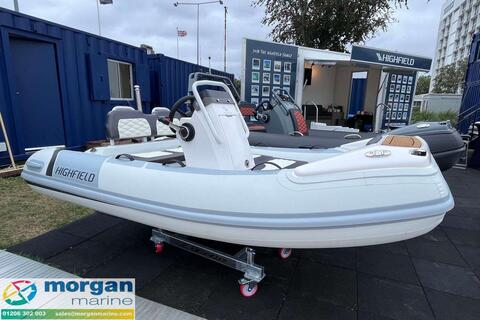
The inflatable boat: the all-rounder on the water
Do you dream of spontaneously getting out on the water, exploring small bays or taking your fishing experience to a new level? Are you planning longer boat trips and want to remain as flexible as possible? An inflatable boat is the ideal companion for leisure, sport and adventure.
Whether as a bathing boat, dinghy for the yacht or as a robust companion for everyday life on the water: inflatable boats offer almost limitless possibilities. At Yachtall you will find second-hand boats in all sizes and configuration. Find out here what you should look out for when buying an inflatable boat!
What is an inflatable boat?
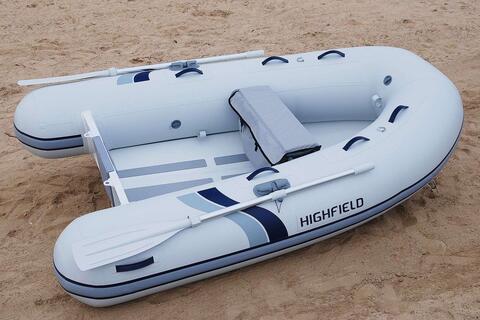
An inflatable boat is a lightweight, inflatable boat made from robust, airtight tubes. It is characterised by its low weight, high flexibility and easy handling. Modern inflatable boats are no longer just "rubber boats": they offer stability, safety and comfort - for both beginners and experienced water sports enthusiasts.
Which inflatable boat variants are available?
Depending on the intended use and requirements, a distinction is made between different types of inflatable boats. The table characterises the most common variants and their typical areas of use:
In addition, there are various special and hybrid models based on these basic types, as well as large rafting boats for whitewater tours. However, the latter do not belong to the inflatable boat types primarily covered here.
One boat, numerous possible uses
Inflatable boats are true all-rounders when it comes to flexibility and versatility on the water. They are quick to set up, easy to transport and can be used almost anywhere - be it on the lake, on the river or on the coast.
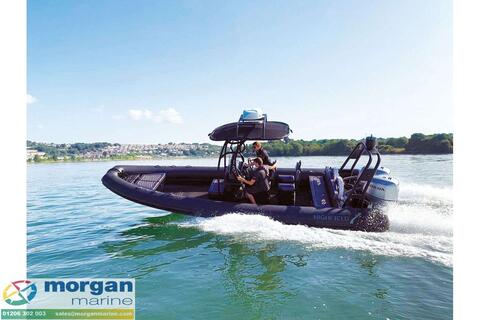
As quiet fishing boats, they offer a stable position in the water as well as sufficient storage space for gear and catches. Those who love action can use a powerful model for water sports activities. For yacht owners, they are indispensable as dinghies or tenders for travelling comfortably between the yacht and the shore. Robust rigid inflatable boats (RIBs) are used as work or rescue boats, for example by coastguards or the police. Last but not least, inflatable boats are the ideal leisure companion for hot summer days: simply get out on the water, cool off and enjoy the sun.
Size and load capacity: What is important?
The right size of your inflatable boat depends on the planned use, the number of people and the luggage. Please note the following criteria:
- Length and width: Determine the maximum number of people and comfort on board.
- Tube diameter: Larger diameters ensure greater stability and safety.
- Load capacity: Check manufacturer’s specifications and allow sufficient provision for luggage and motor.
As a rule of thumb: for 2 to 3 people, boats from approx. 2.50 metres are sufficient; for families or as a tender, a length of 3.00 metres or more is recommended.
Everything you need to know before buying an inflatable boat
The most important purchasing criteria for inflatable boats
Buying a high-quality inflatable boat is an investment in safety and longevity. In order to enjoy your boat for a long time, you should observe certain criteria that guarantee quality and functionality:
- Material: PVC is light and inexpensive, Hypalon is particularly durable and robust.
- Seam finish: Glued or welded seams should be neatly finished - they are the Achilles heel of every inflatable boat.
- Number of air chambers: Several separate chambers increase safety in the event of damage.
- Quality of the valves: High-quality non-return valves make inflatiing and deflating easier.
- Accessories: Pump, benches, paddle, repair kit and transport bag should be included in the purchased parts package if required.
Important: Especially with used boats, it is essential to check for material fatigue and repair areas.
Motorisation: What is possible?
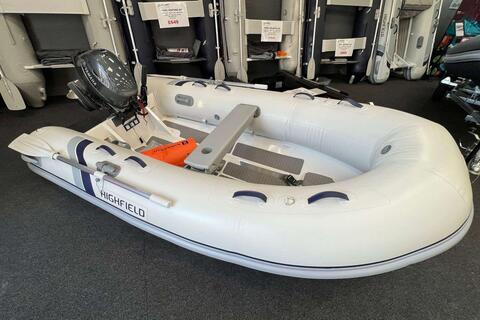
Many inflatable boats can easily be equipped with a motor, which significantly extends the range of action and possible uses. It is important to pay attention to the manufacturer’s specifications for maximum engine power - this is usually between 4 and 30 hp. Both petrol and electric motors can be used: Petrol outboards are particularly powerful, while electric motors are quieter and conserve resources.
The requirements: A fixed transom must be attached to the boat for safety reasons; adapter solutions are available for smaller models.
If you want to motorise your inflatable boat, you should obtain detailed information in advance and check the relevant regulations and the technical conditions of your own boat.
Price comparison: How much does an inflatable boat cost?
The price range for inflatable boats is enormous and covers everything from inexpensive entry-level models to high-quality professional RIBs. The costs vary considerably depending on the equipment, material and area of use. The table gives a rough overview of the usual market price ranges:
The following applies in all price categories: high-quality boats offer better workmanship, more durable materials and increased safety.
Inflatable boat - buy new or used?
The decision whether to buy a new or used inflatable boat depends on various factors - including budget, how much it has been used and personal requirements in terms of safety and comfort. Both options offer specific advantages and disadvantages.
- Flawless condition: You will receive a boat with no signs of use, material fatigue or hidden defects.
- Manufacturer’s warranty: New products usually come with a 2-year (sometimes longer) warranty on materials and workmanship. This provides additional security in the event of a defect.
- Modern technology: New models often have the latest materials (e.g. UV-resistant Hypalon or modern PVC coatings), optimised valves and innovative features such as air floor technology or improved safety valves.
- Individual configuration: You can choose equipment and accessories (e.g. motorisation, floor type, colour) according to your wishes.
- Price advantage: Used boats are often 30 to 60 % cheaper than comparable new boats. This can be very attractive, especially for beginners or occasional users.
- Immediately available: Used boats are usually available at short notice and can be acquired immediately.
- Less depreciation: Most of the loss in value has already taken place, so you will lose less when you sell later.
- Tried and tested models: Certain models or years of manufacture have often proven their longevity and reliability.
- Wide range of models: The used market offers a wide variety of models, model years and different facilities. This means that even buyers with special requirements or a limited budget can find exactly what they are looking for.
Tip: If possible, only buy a used inflatable boat after inspecting it in person and taking it for a test drive. Check for damage, repair patches and the condition of the accessories. Ask to see a log of maintenance and repairs. If you are unsure, an independent surveyer can help you assess the actual value of the boat.
Care and storage: how to keep your inflatable boat fit
To ensure that your inflatable boat remains ready for use for a long time, regular care and correct storage are crucial. After each use, the boat should be thoroughly rinsed with fresh water to remove dirt, sand and, above all, salt residue, which can attack the material in the long term. To protect the material from UV damage, it is advisable to avoid direct sunlight as far as possible and to use special care products.
Before storing, it is important to allow the boat to dry completely to prevent mould and unpleasant odours. The following applies to storage: Fold up the inflatable boat and store it in a cool, dry place. Ideally, rigid inflatable boats (RIBs) should be stored inflated on a trailer to prevent deformation.
Inflatable boat brands: Well-known manufacturers at a glance
Anyone interested in an inflatable boat will quickly come across a variety of different brands and models. Each boat has its own strengths and special features, which should be compared when making your choice. The following table provides an overview of some of the most popular manufacturers:
Tip: Have you decided on a boat? Before buying, check whether spare parts are still available for the selected model - this is particularly important for older or rare brands.
FAQ: Frequently asked questions about inflatable boats
Are inflatable boats safe?
Yes, inflatable boats are very stable and virtually unsinkable due to their inflatable chambers. Multi-chamber systems provide additional safety if one chamber is damaged.
Which materials are used for inflatable boats?
The most common materials are PVC and Hypalon. PVC is lighter and cheaper, but less UV and chemical resistant. Hypalon is more robust, more durable and more resistant to UV radiation and abrasion, but has a higher price.
Can I motorise any inflatable boat?
Not every inflatable boat is suitable for a motor. Pay attention to the manufacturer’s specifications regarding maximum motor power and whether the boat has a stable transom mount. RIBs and hard-bottomed boats can usually be motorised, while light leisure boats should often only be operated with paddles or electric motors.
What does RIB mean?
RIB stands for Rigid Inflatable Boat. RIBs are characterised by a rigid hull made of plastic or aluminium and inflatable tubes on the sides. They are more stable, more seaworthy and offer more comfort on the water.
How fast is an inflatable boat with a motor?
An inflatable boat with a motor can reach speeds of between around 15 and 50 km/h, depending on its power and size. Small motors of around 5 hp will get the boat up to around 25 km/h, while outboard motors on boats requiring a licence allow significantly higher speeds. Electric motors are usually slower and generally reach speeds of 5 to 20 km/h.
How long does an inflatable boat last?
The service life depends on the material and care. PVC boats last around 8 to 12 years with good care, Hypalon boats can be used for 15 to 20 years or longer.
Can I repair an inflatable boat myself?
You can repair minor damage such as holes or cracks yourself using repair kits. For more extensive damage or if you are unsure, you should visit a specialist workshop.
What is the best way to transport an inflatable boat?
Small inflatable boats can be folded up and transported in the boot. Larger models or RIBs require a boat trailer. Ensure that the boat is securely fastened during transport.
How long does it take to assemble and disassemble an inflatable boat?
Inflating an inflatable boat usually takes between 5 and 15 minutes, depending on the size and pump. Models with an air floor or slatted deck take a little longer to set up. Folding and stowing away is usually quick and uncomplicated.