





Would you like to have your watchlist on all your devices? Log in or register for free.

The true cost of buying a boat: insurance, taxes, maintenance, mooring fees and more

Owning your own boat is a dream for many - freedom on the water, unforgettable trips and exclusive adventures. However, in addition to the purchase price, there are numerous running costs that are often underestimated. This article takes a detailed look at all the relevant expenses so that the joy of owning your own boat is not spoilt by unexpected costs.
1. Purchase price
The purchase price depends on the type, size, equipment and condition of the boat. In addition to the purchase price, there may be additional costs for transport, registration and any conversions.
New boat: Higher purchase costs, but often lower maintenance costs in the first few years.
Second-hand boat: Cheaper, but may require more maintenance.
2. Insurance costs
Boat insurance is essential. It protects against financial losses due to damage, theft or liability claims.
Liability insurance: Compulsory in many countries. Covers damage caused to third parties.
Hull insurance: Covers damage to your own boat, including in the event of collision, fire or theft.
Additional insurance: For expensive equipment or use in certain regions.
Cost factor: Depending on the type of boat and its value, the annual insurance costs vary between 1-5% of the purchase price.
3. Taxes and fees
VAT: In the EU, this is usually between 16-25% of the purchase price.
Registration fees: Depends on the flag state.
Import duties: For imports from non-EU countries.
4. Mooring fees (marina costs)
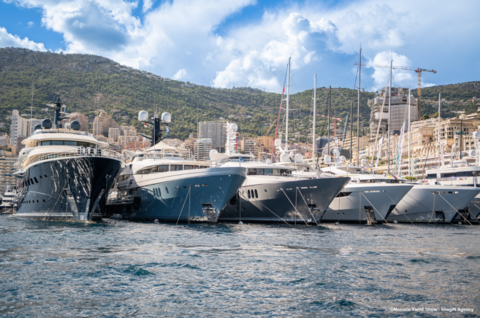
A berth is one of the biggest ongoing costs. Prices vary greatly depending on the location, season and size of the boat.
Home port berth: Annual rental in marinas can cost between 50-300 €/m².
Daily and seasonal moorings: Expensive, especially in popular areas.
5. Maintenance and servicing
Regular maintenance is crucial to preserve the value and functionality of the boat:
Engine and gearbox maintenance: annual inspections and oil changes.
Hull care: cleaning, polishing and antifouling coatings.
Sail and rigging inspection: For sailing boats.
Electronic systems: Navigation equipment, batteries and lighting.
Annual costs: Around 5-10% of the value of the boat.
6. Storage in winter (winter storage)
In regions with colder winters, the boat must be stored in dry dock or in special sheds:
Dry dock storage: protection from the weather, but more expensive.
Outdoor storage: Less expensive, but requires additional protective measures.
Costs: Between 50-150 €/m² per season.
7. Operating costs (fuel and energy)
Fuel costs: Dependent on engine consumption and period of use.
Power supply: Particularly relevant for larger yachts.
8. Equipment and accessories
Life-saving equipment: Life jackets, life rafts.
Navigation equipment: chart plotter, radar.
Comfort equipment: seat cushions, kitchen appliances, entertainment electronics.
9. Crew and operating personnel (for large yachts)
Skipper and sailors: For professional operation.
Cleaning staff: For maintenance.
10. Unexpected repairs and modernisations
Boats are susceptible to wear and tear and damage. Unforeseen repairs can quickly swallow up large sums of money.
Conclusion
Buying a boat is only the first step. Insurance, taxes, moorings, maintenance and operating costs add up to 10-15% of the purchase price each year. If you calculate these costs realistically, you can start your journey to freedom on the water without any worries and enjoy your own boat in the long term.