






Would you like to have your watchlist on all your devices? Log in or register for free.

The Basics of Boating: Essential Knowledge for Beginners

Boats have fascinated people for centuries and remain a popular means of transportation on water today. However, for beginners, the world of boating can initially seem overwhelming. This is where the basics of boating come into play—a compact overview of the most important terms and fundamentals.
1. Types of Boats: What Are They?
Rowboats: Easy to use, ideal for lakes and calm waters.
Sailboats: Use wind as propulsion and require basic sailing knowledge.
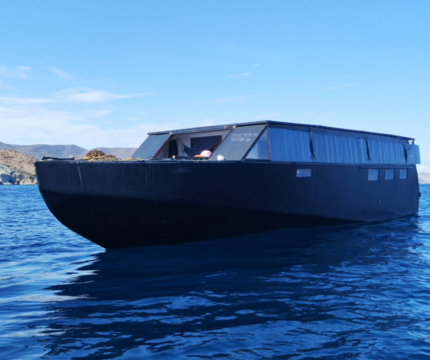
Motorboats: Powered by combustion or electric engines, often used for fast trips or recreational purposes.
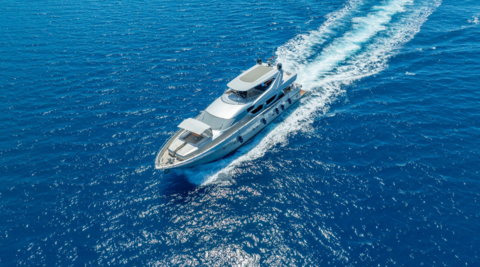
Yachts: Large, luxurious boats with extensive equipment for longer journeys.
Catamarans: Two hulls provide stability and a larger usable surface area.
2. Basic Terms in Boat Handling
Bow & Stern: The front of a boat is the bow, and the rear is the stern.
Port & Starboard: Left and right in the direction of travel (Port = left, Starboard = right).
Draft: The depth a boat requires below the waterline.
Sheets & Halyards: Ropes used for controlling sails (Sheets = adjustment, Halyards = hoisting/lowering).
Fenders: Protective cushions that prevent damage when docking.
3. Navigation & Safety
Compass & GPS: Important tools for navigation on water.
Nautical Charts: Detailed maps with depth measurements, navigable routes, and obstacles.
Life Jackets: Mandatory on board for safety on the water.
Rules of the Road: Right of way applies on the water as well. Motorboats must give way to sailboats.
Weather Conditions: Wind, currents, and tides influence navigation.
4. The Most Important Knots
Bowline: Forms a secure loop that does not tighten - ideal for fastening.
Figure-eight Knot: Prevents ropes from slipping through.
Square Knot: Used to join two ropes of equal thickness.
Clove Hitch: Used for securing lines to posts or rails.
5. First Steps for Beginners
Boating License: Required in many countries for motorized boats over a certain horsepower.
Trial Runs: Beginners should gain initial experience with experienced skippers.
Basic Equipment: Life jackets, first aid kit, emergency lighting, and a radio should be on board.
Environmental Awareness: Avoid littering, save fuel, and respect sensitive natural areas.
Conclusion
Anyone who masters the basics of boating can move safely and enjoyably on the water. Whether on a sailboat, motorboat, or yacht - the adventure begins with the first step!